

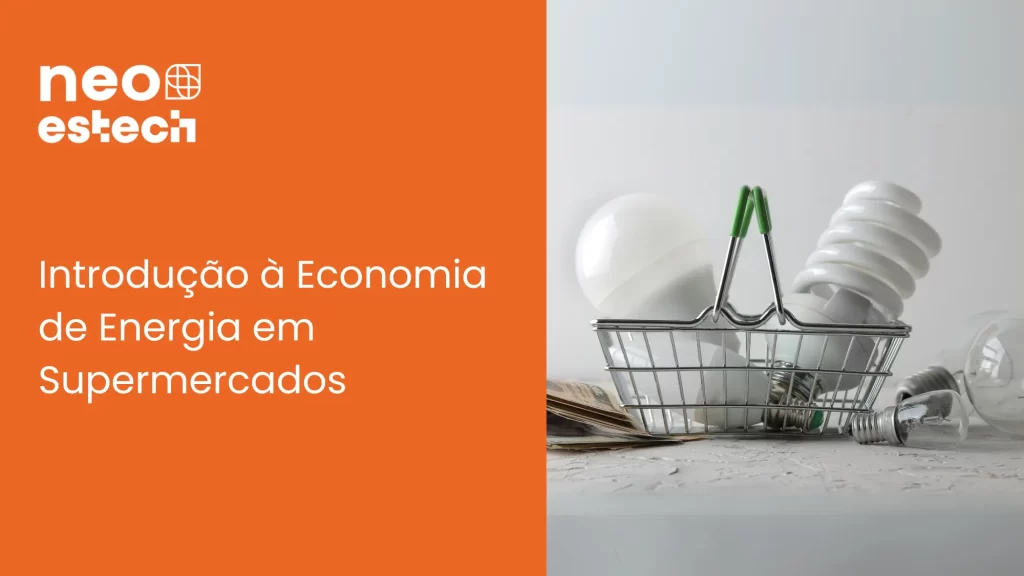
Introduction:
Energy efficiency is a topic of growing importance in the corporate world, especially for supermarkets, where energy consumption is significantly high. Refrigeration systems, air conditioning, lighting and other essential equipment operate continuously, resulting in high operating costs. This text will address the importance of energy saving in supermarkets, the challenges faced and an overview of energy saving strategies that can be implemented.
Impact of Energy Consumption in Supermarkets:
In supermarkets, electricity accounts for a considerable share of operating expenses, ranging from 10% to 15% of total expenses (ABRAS). Today, energy is the second-largest cost, representing on average 1.7% of revenue, second only to payroll. In addition, over the useful life of a supermarket's assets, the cost of energy significantly exceeds the initial cost of the assets themselves. For example, a refrigeration system, which is one of the main energy consumers, may cost less than 50% of the total spent on energy to operate it during its useful life. Also according to Energy Star, the U.S. energy efficiency agency, 70% of a supermarket's energy consumption goes to refrigeration and air conditioning, with the remainder being the sum of all other equipment.
Main Drivers of Energy Consumption in Supermarkets:
- Refrigeration:
- Refrigeration systems are responsible for a large part of energy consumption in supermarkets. Keeping food at safe and appropriate temperatures is crucial to the quality and safety of products and to the operation of a supermarket.
- Air Conditioning:
- Air conditioning is essential for the comfort of customers and employees. However, inefficient air conditioning systems can be huge energy consumers.
- Lighting:
- Lighting is another area that consumes a lot of energy. Using LED and installing automation can result in substantial savings.
- Natural lighting can also be made the most of to reduce the need for artificial lighting during the day.
- Other Electrical Equipment:
- Equipment such as ovens, freight elevators, elevators, escalators, coffee machines, and other electrical devices used daily also contributes to energy consumption.
Challenges in Energy Management:
- Equipment Maintenance:
- Regular maintenance of equipment is essential to ensure it operates efficiently. Poorly maintained equipment consumes more energy and has a reduced useful life. Implementing a preventive maintenance plan can prevent unexpected failures and ensure efficient functioning of systems.
- Monitoring and Control:
- A lack of adequate monitoring can lead to energy waste. Real-time monitoring systems can identify areas of waste and help optimize consumption.
- Investing in automation and monitoring technologies can provide valuable data for making informed decisions.
- Employee Training:
- Untrained employees may not be aware of energy-saving practices. Regular training on the importance of energy efficiency and how to contribute to it is crucial. Encouraging an energy-saving culture among employees can lead to more sustainable practices in everyday life.
Energy Saving Strategies:
- Energy Audits:
- Conducting regular energy audits can help identify areas for improvement. Detailed audits provide a comprehensive view of energy consumption and recommend corrective actions. Qualified professionals can analyze existing systems and
suggest upgrades or replacements that result in energy savings.
- Conducting regular energy audits can help identify areas for improvement. Detailed audits provide a comprehensive view of energy consumption and recommend corrective actions. Qualified professionals can analyze existing systems and
- Investment in Efficient Technologies:
- Investing in cutting-edge technologies may seem expensive initially, but the long-term energy savings are worth the investment.
- Technologies such as energy management systems, LED lighting, and high-efficiency refrigeration systems can significantly reduce energy consumption.
- Use of Renewable Energy:
- Implementing renewable energy sources such as solar panels can reduce dependence on traditional energy sources.
- Automation and IoT:
- Automation systems and Internet of Things (IoT) devices can monitor and control energy consumption in real time.
- Free Energy Market:
- The free energy market allows companies to choose their electricity suppliers, negotiating more favorable prices and conditions.
- Supermarkets can benefit significantly by migrating to the free market, obtaining more competitive rates and cost predictability.
Conclusion:
Saving energy in supermarkets is not only a sustainable practice, but also a smart economic strategy. Implementing efficient technologies, regular audits and employee training are essential steps to reducing energy consumption. By adopting these practices, supermarkets can reduce their operating costs, improve their competitiveness and contribute to environmental sustainability. Energy efficiency is an ongoing journey that requires constant monitoring and adjustments. Investing in energy-saving technologies and practices today will ensure significant benefits in the future. Follow our subsequent blogs to learn more about specific strategies and how to implement an efficient energy saving plan in your supermarket.



 Portuguese
 Spanish
 English
 French